There's a devastating truth most ecommerce store owners refuse to face: 73% of your potential customers are walking away with unanswered questions. They're not leaving because your products are wrong or your prices are too high. They're leaving because they hit an invisible wall of uncertainty that traditional store layouts simply can't break through.
While you're obsessing over traffic numbers and ad spend, a silent killer is destroying your conversion rates right under your nose. Every hesitant click, every abandoned cart, every "I'll think about it" represents a failure to guide customers through their decision-making process.
The Question Gap That's Costing You Sales
Here's what's really happening in your store: customers arrive with specific problems to solve, but your website forces them to become product researchers instead of buyers. They're asking questions like "Will this work for my specific situation?" or "What's the real difference between these two options?" - and getting crickets in response.
Traditional ecommerce tools - filters, search bars, product comparison charts - assume customers already know what they want. But research shows 67% of online shoppers need guidance before making purchase decisions. Your static product pages can't provide that guidance, and that's where the breakdown happens.
The cost of this question gap is staggering. When customers can't get immediate answers to their concerns, they default to the easiest option: leaving. They'll research elsewhere, ask friends, or simply postpone the purchase indefinitely. The average ecommerce store loses 40% of potential sales to unanswered questions.
Why Traditional Chatbots Miss the Mark
Many store owners think they've solved this problem by installing a basic chatbot. But here's the uncomfortable reality: traditional chatbots are conversion killers in disguise. They're designed for customer service, not sales assistance.
When a customer asks "Which product is best for sensitive skin?", a typical chatbot responds with generic information or forwards them to a human agent who may not be available. Meanwhile, the customer's interest is cooling by the second. These tools treat every interaction as a support ticket rather than a sales opportunity.
AI shopping assistants represent a fundamental shift from reactive support to proactive sales guidance. Instead of waiting for problems to occur, they actively help customers discover the right products based on their specific needs and preferences.
The Smart Alternative: Conversational Product Discovery
The most successful ecommerce stores are embracing conversational commerce tools that transform browsing into guided shopping experiences. These AI-powered systems understand context, remember preferences, and provide personalized recommendations that actually drive purchases.
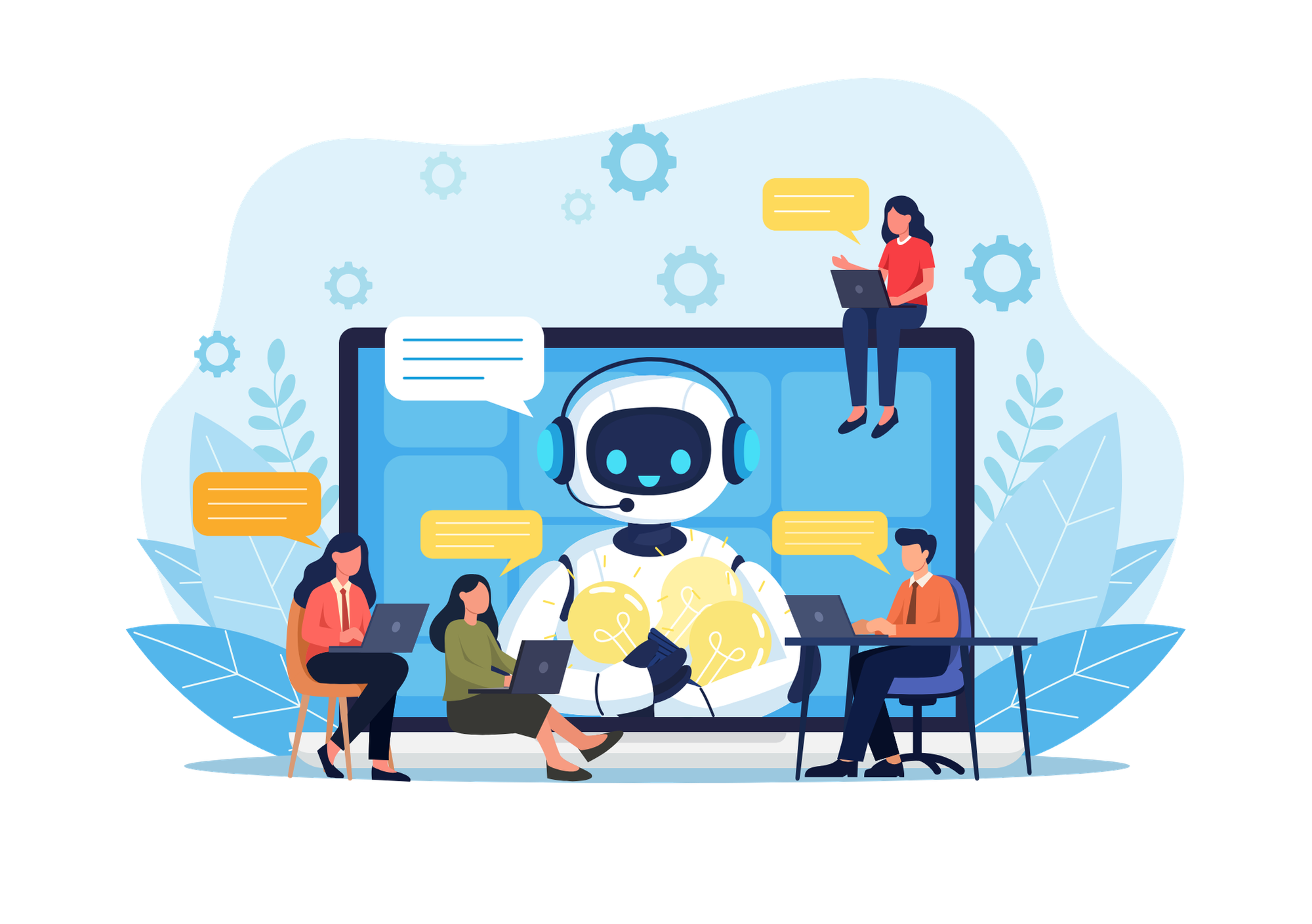
Consider this scenario: instead of a customer scrolling through 200 products hoping to find the right one, they simply describe what they need. An AI shopping assistant for ecommerce immediately understands their requirements and suggests the three best options with clear explanations of why each might work.
This isn't about replacing human touch - it's about scaling expertise. The best salespeople ask questions, listen to responses, and guide customers toward solutions. AI shopping assistants do exactly that, but they're available 24/7 and can handle unlimited conversations simultaneously.

The Conversion Impact Nobody Talks About
Here's what happens when you implement proper ecommerce conversion optimization through AI guidance: customers spend less time researching and more time buying. Decision paralysis decreases, purchase confidence increases, and your average order value typically grows because customers discover products they wouldn't have found otherwise.
The data speaks volumes. Stores using AI product recommendations through conversational interfaces see 15-30% higher conversion rates compared to traditional filtering systems. Why? Because recommendations feel personal and trustworthy when they come through conversation rather than algorithmic guessing.
More importantly, these systems create a personalized shopping experience that customers remember. When someone gets exactly what they need through helpful guidance, they become repeat buyers and brand advocates.
Beyond Sales: The Support Revolution
Smart store owners recognize that customer support automation isn't just about reducing costs - it's about improving response quality. AI assistants don't get tired, don't have bad days, and don't give inconsistent answers. They provide accurate product information every single time.
This consistency builds trust. When customers know they can get reliable answers instantly, they're more likely to purchase without second-guessing. The psychological impact of immediate, helpful responses cannot be overstated in the buying decision process.
The Future of Ecommerce is Already Here
Major retailers like Amazon are investing billions in conversational shopping experiences because they understand a fundamental truth: the store that answers questions fastest wins the sale. Smaller merchants can't compete on inventory or logistics, but they can absolutely compete on customer guidance and personal attention.
The question isn't whether AI will transform ecommerce shopping - it's whether your store will adapt quickly enough to benefit from the transition. Early adopters are already seeing dramatic improvements in customer satisfaction and sales performance.
Your competitors are likely still relying on outdated browsing experiences while you could be offering customers something genuinely better: instant answers, personalized guidance, and confident purchase decisions.
LISA transforms your ecommerce store into an intelligent shopping destination where every customer gets personalized assistance. Instead of hoping visitors will figure out what to buy, LISA guides them to the perfect products through natural conversation. Ready to turn browsers into buyers? Discover how LISA can revolutionize your customer experience and boost your conversion rates today.